Optimizing Supply Chains with Cross-Docking Services
Cross-docking services have revolutionized the logistics industry by minimizing storage time and expediting product movement. This approach enhances efficiency and reduces costs, making it an essential component of modern supply chains.
Understanding Cross-Docking
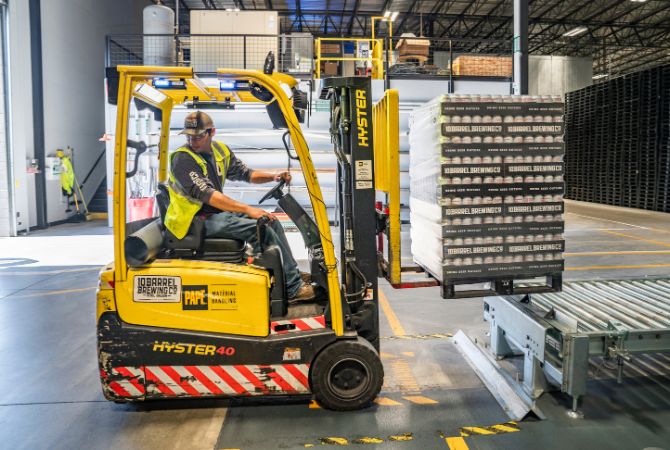
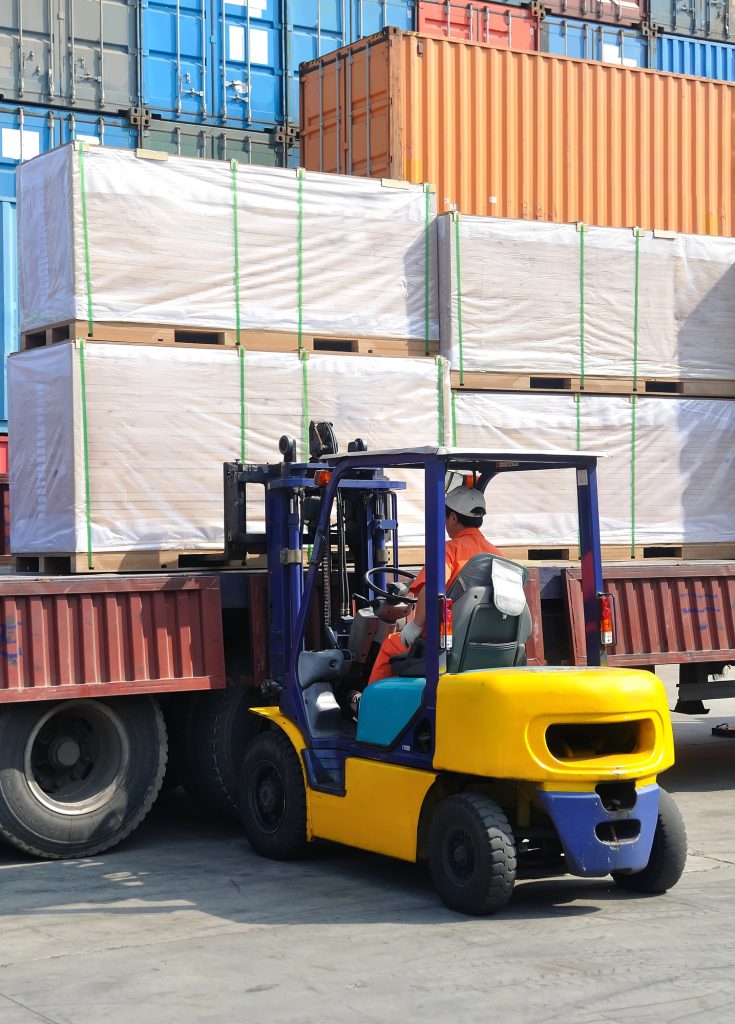
Definition: Cross-docking involves unloading goods from inbound transportation and directly loading them onto outbound vehicles with minimal or no storage time.
Process Flow:
Receiving inbound shipments
Sorting and inspecting goods
Immediate transfer to outbound transportation
Advantages of Cross-Docking
Reduced Storage Costs: Minimizing the need for warehousing lowers overhead expenses.
Faster Delivery Times: Direct transfer of goods accelerates the shipping process.
Improved Inventory Management: Less inventory held in storage reduces the risk of overstocking or obsolescence.
Enhanced Supply Chain Efficiency: Streamlined operations lead to better coordination and responsiveness.
Ideal Scenarios for Cross-Docking
Perishable Goods: Quick transfer reduces spoilage risks.
High-Demand Products: Rapid distribution meets market demand efficiently.
Retail Promotions: Coordinated shipments for time-sensitive sales events.
Conclusion
Cross-docking services significantly benefit businesses seeking to enhance their supply chain efficiency. It is a valuable strategy in today’s fast-paced market because it reduces storage needs and speeds up delivery times.
🔗 Looking for a custom quote or consultation? Explore advanced warehousing and logistics solutions available across North America.